7 Tips for Choosing Excavator Tracks?
Choosing the right Excavator Tracks affects stability, traction, comfort, and operating cost. A track set that looks suitable online may fail on wet clay, broken concrete, or sharp gravel. Experienced operators notice these differences quickly. They listen for unusual movement, inspect lug wear, and compare ground pressure before ordering replacements. Small details matter.
This guide presents seven practical tips for selecting Excavator Tracks with greater confidence. It considers machine weight, undercarriage dimensions, tread design, rubber quality, working conditions, installation, and supplier support. Manufacturer manuals and verified measurements should guide every decision. Product photographs help, but they cannot replace width, pitch, link count, and exact model checks. A reputable supplier should explain compatibility clearly and provide consistent technical information.
There is no universal “best” track. A durable steel-reinforced rubber track may suit landscaping, while another pattern performs better on demolition surfaces. Even careful buyers can overlook seasonal ground changes or a worn sprocket. That is worth admitting. Recheck the undercarriage before blaming the track. With documented specifications, practical inspection, and advice from qualified technicians, you can reduce downtime and choose tracks that match real work, not just a sales description.
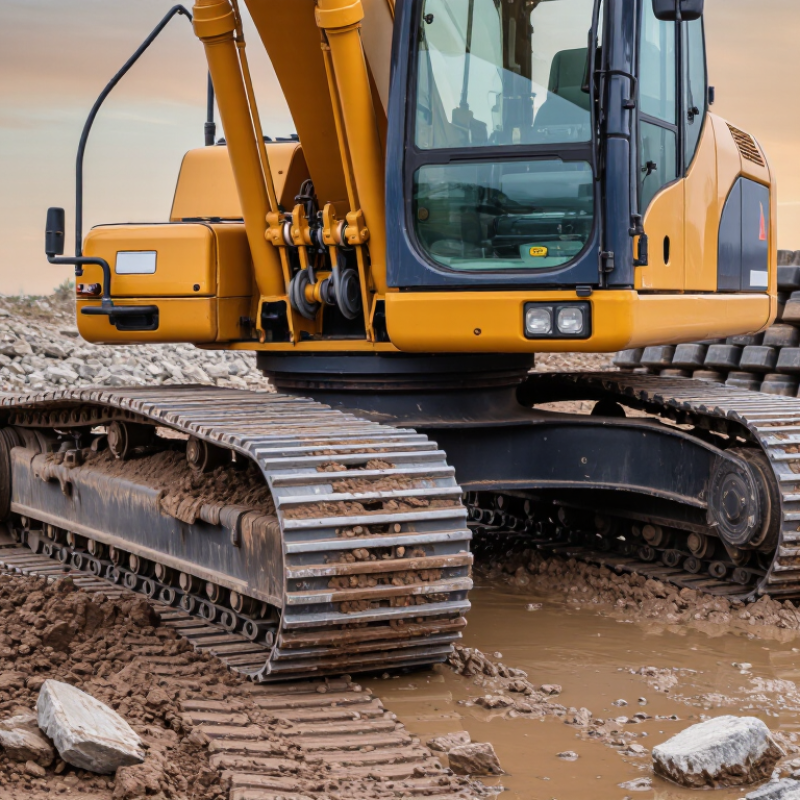
Define Excavator Specifications and Track Compatibility
Choosing excavator tracks starts with accurate machine specifications. Record the excavator’s operating weight, track width, pitch, link count, and undercarriage design. These details determine whether a track will fit correctly. A small measurement error can create serious tension problems.
Tip: Measure twice.
Check the existing track before ordering. Count the links, measure the pitch between pin centers, and confirm the width across the track. Inspect the sprocket teeth, rollers, and idlers for unusual wear. A damaged sprocket can shorten the life of a new track. I have seen tracks fitted correctly but fail early because worn components were ignored. That mistake is easy to repeat.
Tip: Match the whole system.
Choose rubber tracks for finished surfaces, landscaping, or jobs requiring lower ground disturbance. Steel tracks may suit rocky ground, demolition areas, and heavy-duty conditions. However, track material alone does not confirm compatibility. Verify the track pattern, guide position, tread design, and clearance inside the frame. Consult the machine’s service documentation or a qualified parts specialist when measurements conflict. Online charts can help, but they are not always complete. Consider the excavator’s attachments and working habits too. Frequent travel on concrete increases heat and wear. Mud can hide alignment problems until the track climbs off the rollers. Recheck tension after the first working hours, because initial stretching is possible.
Choose the Right Track Material for Your Worksite
Rubber track is usually the better choice for finished concrete, asphalt, lawns, and landscaped sites. It spreads the excavator’s load and leaves fewer marks. A simple field calculation helps: a 20-ton excavator with 5.4 square metres of track contact creates about 36 kilopascals of average pressure. Actual pressure changes with soil, attachment weight, and track tension.
Steel track suits rock, demolition debris, sharp gravel, and long hours on abrasive ground. Steel tolerates cutting edges better, while rubber absorbs more vibration near buildings and underground services. The European Association of Construction Equipment reports that compact excavators remain important in urban construction, where surface protection strongly affects equipment selection. That finding supports rubber tracks for restricted sites, but it does not make them universal.
Material quality matters more than color or tread appearance. The International Rubber Study Group estimated global natural rubber production at roughly 14.5 million tonnes in 2023. However, supply volume says little about a track’s compound, reinforcement, or heat resistance. Check the manufacturer’s stated rubber compound, steel-cord protection, tread depth, and operating temperature range. Keep tension within the service specification. Too tight increases heat and wear; too loose can cause derailment.
I still get this wrong sometimes.
For mixed work, consider interchangeable track systems, but calculate downtime and cleaning effort. Mud packed inside the undercarriage can damage any material. Inspect daily for exposed cords, cuts, missing tread blocks, and uneven wear. Choose for the ground beneath the machine, not the machine’s brochure.
7 Tips for Choosing Excavator Tracks: Choose the Right Track Material for Your Worksite
Track material should match the ground conditions, required traction, surface-protection needs, and risk of puncture. The chart shows a comparative suitability score from 1 to 10 for common worksite conditions. Higher scores indicate a better overall fit for that application.
Rubber tracks generally protect paved surfaces and reduce vibration, while steel tracks provide stronger puncture resistance and traction on rocky or abrasive ground. Steel tracks with rubber pads offer a compromise where durability and surface protection are both important. Scores are comparative selection guidance rather than laboratory ratings.
Evaluate Track Durability, Load Capacity, and Maintenance Needs
Choosing excavator tracks requires more than matching size. In field inspections, I look for cracking around the lugs, uneven wear, and exposed steel cords. Rubber tracks should flex without deep cuts after a short working cycle. Steel tracks need clean pins, tight bushings, and straight links. Small damage becomes expensive quickly. It happens.
Durability depends on the ground and workload. Sharp demolition rubble, hot asphalt, and rocky slopes demand stronger track construction than soft soil. Compare the machine’s operating weight with the track’s rated load capacity, not only its width. A track that carries the load poorly may stretch, shed lugs, or damage the undercarriage. Check attachments too. A heavy breaker changes impact forces and may reveal weaknesses during turning.
Maintenance needs should fit your crew and schedule. Inspect tension daily, remove stones from the undercarriage, and measure wear at regular service intervals. Correct tension matters: an overly tight track increases bearing stress, while a loose track can derail. Keep service records with dates, operating hours, and photos. That evidence supports better replacement decisions. I once treated visible tread wear as the main warning sign; later, hidden cord damage proved more serious. A checklist helps, but it cannot replace a careful hands-on inspection.