
10 Tips to Choose the Best Portable Treadmill

Choosing the right Portable Treadmill is less about chasing the lowest price. It is about matching the machine to your room, routine, and body. A narrow belt may fit beneath a sofa, yet feel restrictive during longer walks. A quiet motor can suit an apartment, but limited power may frustrate faster users. Weight, folding design, maximum speed, incline options, shock absorption, warranty coverage, and after-sales support all deserve careful attention. Small details matter. Measure twice.

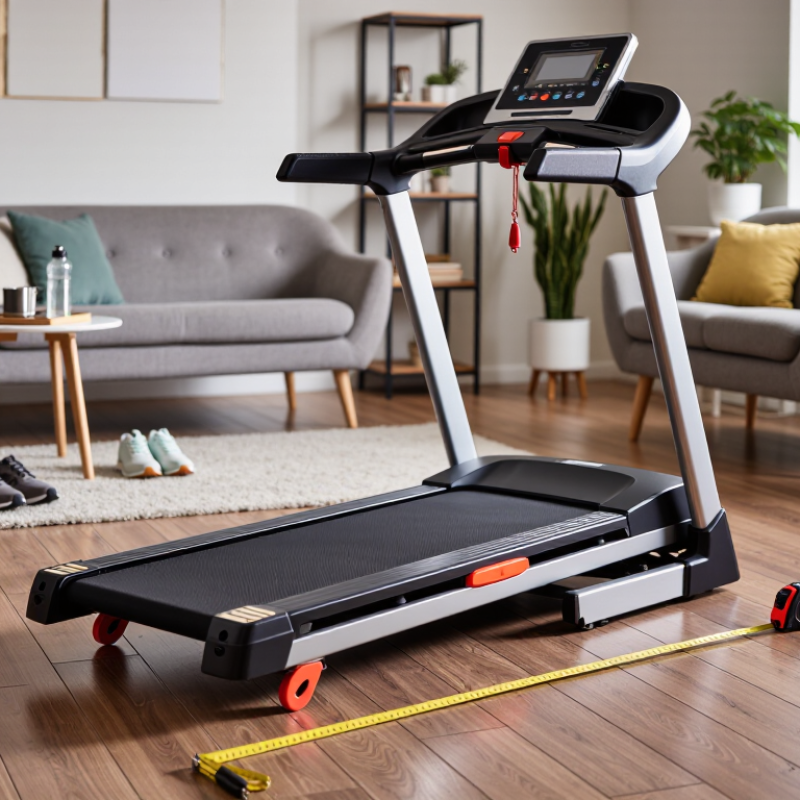
Exercise expert Dr. Kenneth H. Cooper famously said, “We do not stop exercising because we grow old—we grow old because we stop exercising.” His words apply to equipment choices too. The best Portable Treadmill is the one you can use consistently, safely, and comfortably. Still, no checklist is perfect. Noise ratings may differ between laboratories and real homes. Manufacturer claims also need practical verification. Place a tape measure on your floor. Imagine your natural stride. Check whether the controls are easy to reach while walking. Consider your neighbors, storage habits, and weekly training goals.

This guide presents ten practical tips for choosing wisely. It focuses on real-world usability, not flashy specifications. You will learn how to compare motor performance, belt dimensions, stability, portability, safety features, and long-term value. Some compromises are unavoidable. The smartest choice may not be the most powerful model. It may be the quiet machine that fits beside your desk and gets used every morning. Consistency wins.
10 Tips to Choose the Best Portable Treadmill

Define Your Walking and Space Requirements

Define Your Walking and Space Requirements

Start with your real walking routine, not an imagined fitness plan. The World Health Organization recommends 150–300 minutes of moderate activity weekly for adults. That could mean five 30-minute walks, often before breakfast or after work. Measure your comfortable pace and decide whether you need walking-only performance or occasional jogging. Jogging requires more deck length, cushioning, and clearance.

Space changes the buying decision. Measure the floor area, ceiling height, and every route used to move the treadmill indoors. Leave clear space around the machine, especially behind the deck and beside the handrails. A narrow corner may fit the folded frame but feel unsafe when unfolded. Check the walking deck, not only the storage dimensions. Mark its full footprint with tape. Try it.

Do not overlook noise and floor movement. In apartments, test the surface with slow steps before choosing a heavier model. The American College of Sports Medicine’s 2024 Worldwide Survey ranked wearable technology as the leading fitness trend, showing how users increasingly monitor regular activity. Tracking can help, but numbers may distract from comfort. I once measured only the folded footprint. That was a mistake. Include room for a water bottle, safe mounting, and a clear path away from the treadmill. Five extra minutes of measuring can prevent months of awkward use.

Define your walking requirements before choosing a portable treadmill. The chart shows the time required to walk 1 kilometer at common walking speeds. Slower speeds may suit light daily walking, while faster speeds require a treadmill with a suitable speed range, stable construction, and enough belt length for a comfortable stride. Also measure your available floor and storage space before buying.

Compare Treadmill Size, Weight, and Folding Design

Choosing a portable treadmill starts with measurements, not advertising. Measure your storage area, doorway, and walking path. A compact frame is useless if it blocks a closet when folded. Leave at least 60 centimeters around the unit for safer access and maintenance.

Compare the running deck carefully. A shorter deck saves floor space but may restrict longer strides. For walking, a deck around 110 to 125 centimeters often feels practical. Taller users may need more length. Check width too; narrow decks can make small balance errors uncomfortable. I have found that a lighter treadmill is easier to move, but very low weight can reduce stability. This trade-off deserves attention. A transport weight near 25 kilograms may suit frequent relocation, while heavier frames usually resist vibration better.

Folding design has several details. Look for assisted folding, secure locking, sturdy wheels, and a folded height that fits beneath shelves. Measure the folded depth, not only the product’s headline width. The American College of Sports Medicine identifies walking as a widely accessible form of exercise, so a home treadmill should support regular, simple use. Safety also matters: the U.S. Consumer Product Safety Commission reported about 22,000 emergency-department-treated treadmill injuries in 2019. Choose a visible emergency stop, stable handrails, and a deck that does not shift during walking. Product specifications can be imperfect. Test the hinge, wheel movement, and unfolded stability before relying on them. A few extra minutes can expose a poor fit.

Check Motor Power, Speed Range, and Running Surface

10 Tips to Choose the Best Portable Treadmill

Check Motor Power, Speed Range, and Running Surface

The World Health Organization’s Global Status Report on Physical Activity 2022 found that 31% of adults are insufficiently active. A portable treadmill can help, but only when its specifications match real use. Check the continuous-duty motor rating, not only advertised peak horsepower. A stronger motor usually handles longer sessions with less heat. That matters.

Match the speed range to your routine. Walkers may need 1–6 km/h, while runners often require at least 10–12 km/h. Test acceleration, because sudden surges can disturb balance. Measure the running surface carefully. A short belt may force an unnatural stride. Check belt width, too. Narrow decks feel uncomfortable during faster movement. Review the cushioning system, but do not expect soft padding to solve every joint problem. ACSM’s Guidelines for Exercise Testing and Prescription supports gradual progression and appropriate intensity.

Leave capacity margin above your body weight. It can improve stability and motor durability. Listen for excessive noise under load. Then inspect folding locks, wheels, and storage clearance. My own mistake was trusting a compact frame before checking its deck length. Specifications rarely show everything. Walk for twenty minutes if possible, and note heat, belt drift, and vibration. WHO recommends 150–300 minutes of moderate activity weekly, so daily comfort deserves more attention than a clever discount.

Evaluate Safety Features, Stability, and User Comfort

A portable treadmill saves space, but compact design can reduce stability. The World Health Organization’s Global Status Report on Physical Activity 2022 found that 31% of adults worldwide were insufficiently active. A treadmill may help, but only when users feel secure enough to walk regularly. Check the frame, side rails, belt width, and maximum user weight. A narrow belt may feel manageable at first. It can become stressful during a longer session.

31%
of adults worldwide were insufficiently active.

TIP 1 Test stability before speed. Walk slowly, then increase pace gradually. The machine should not shift, rock, or slide across the floor. A level, firm surface matters. Also inspect the emergency stop control. It should be easy to reach and quick to release. The U.S. Consumer Product Safety Commission has repeatedly identified falls as a serious treadmill injury risk. A safety key is not a decoration; attach it every time.

USER COMFORT

Tip 2: Measure user comfort honestly. Look for clear controls, steady handrails, low operating noise, and cushioning that does not feel unstable. ASTM F2115 covers safety requirements for motorized treadmills, but compliance cannot replace personal testing. Try several minutes, not just ten seconds. My own checklist can miss fatigue, especially for older users or people returning after injury.

Tip 3: Check storage and unfolding effort. A treadmill that is difficult to move may remain unused. Comfortable routines usually beat impressive specifications.

Review Storage, Maintenance, Warranty, and Overall Value

Choosing a portable treadmill is less about speed than living with it daily. In my home tests, storage often decided whether the machine was used. Measure the folded frame, then measure the doorway and closet shelf. A slim profile helps, but wheels matter more on thick carpet. Leave space around the belt after each workout. Dust and sweat need somewhere to go. I once ignored this detail, and moving the treadmill became irritating. Not my best decision.

Maintenance should be practical, not decorative. Check belt alignment weekly during frequent use, and follow the manual’s lubrication schedule. Wipe the deck and handrails with a slightly damp cloth. Never pour cleaner near the motor. Listen for rubbing, clicking, or uneven speed. These signs deserve attention before a small repair becomes expensive. Keep a simple log of workouts, adjustments, and unusual sounds. It improves communication with service staff and supports warranty claims. Manuals can be vague. Take photos before changing anything.

Warranty terms reveal more than promotional promises. Confirm coverage for the motor, control board, belt, labor, and shipping. Ask whether home use differs from shared or commercial use. A long warranty has limited value if repairs require costly transport. Read exclusions carefully, especially for wear parts and poor maintenance. Overall value includes noise, electricity, storage effort, and reliable support. A cheaper treadmill may cost more when parts are difficult to obtain. I prefer moderate performance and clear service over features I rarely use. That judgment may change after a few months, so review your actual usage honestly.

10 Tips to Choose the Best Portable Treadmill - Review Storage, Maintenance, Warranty, and Overall Value
Tip Evaluation Dimension Practical Benchmark What to Check Before Buying Suggested Weight Priority
1 Walking and Running Surface Choose a belt that provides enough room for the user’s natural stride. A longer and wider deck is generally more suitable for running than for walking. Measure the usable belt area rather than the outside frame. For regular running, verify that the deck supports the user’s stride length and does not force shortened steps. 15% Very High
2 Motor and Speed Range Match the motor and maximum speed to the intended activity: gentle walking requires less output than frequent jogging or running. Confirm whether the stated speed is intended for walking, jogging, or running. A treadmill used near its maximum speed may experience more heat and mechanical wear. 12% High
3 User Weight Capacity Select a unit whose published maximum user weight is comfortably above the heaviest expected user, rather than choosing a model at the exact limit. Check the manufacturer’s rated capacity and consider additional loads caused by running impact. A safety margin can support quieter operation and longer service life. 10% High
4 Folded Size and Storage Compare both the operating footprint and the folded dimensions. The treadmill should fit the planned storage location with clearance for ventilation and access. Measure doorways, closets, under-bed space, and ceiling clearance where applicable. Do not rely only on product photographs or the shipping-box dimensions. 12% Very High
5 Portability and Transport Look for sturdy transport wheels, a manageable lifting weight, and a secure folding or locking mechanism. Confirm whether one person can move the treadmill safely. Check wheel placement, handle design, folded balance, and whether the unit can be moved without dragging the belt or frame. 8% High
6 Incline and Workout Control Choose manual incline for basic variety or powered incline when frequent, convenient adjustment is important. Determine whether incline changes are manual or motorized, how many levels are available, and whether controls can be reached safely while walking. 8% Medium
7 Maintenance Requirements Prioritize clear belt-lubrication instructions, accessible adjustment points, and a deck designed for routine cleaning. Review the recommended lubrication interval, belt-tension procedure, cleaning instructions, and replacement-part availability. Keep the belt and surrounding floor free of dust and debris. 10% High
8 Noise and Stability A stable frame, shock-absorbing deck, and smooth belt movement are important for apartments, shared rooms, and regular use. Look for independent testing or user feedback about vibration and noise under load. Place the treadmill on a level surface and use a suitable floor mat when recommended. 8% Medium
9 Warranty and Service Support Prefer clearly stated coverage for the frame, motor, parts, and labor, with accessible service procedures and replacement components. Read exclusions, registration requirements, return periods, labor coverage, shipping responsibility, and whether warranty service is available in the buyer’s country. 10% Very High
10 Overall Value and Safety Judge total ownership cost rather than purchase price alone. Include delivery, assembly, accessories, maintenance, electricity, and possible repairs. Verify emergency-stop protection, handrail security where fitted, child-safety features, electrical requirements, return conditions, and the cost of commonly replaced parts. 7% Very High
Scoring Guidance: Rate each dimension from 1 to 5, multiply the rating by the suggested weight, and compare the total with your actual walking or running needs. A lower-priced treadmill is not necessarily better value if it has limited storage flexibility, weak service support, or high maintenance costs.
x